The journey to passing specialty medical boards can be daunting for even the most seasoned physicians. Juggling clinical duties, personal responsibilities, and the sheer volume of material to master can lead to feeling overwhelmed, decreased motivation, and — in some cases — failure. An academic coach can step in as a powerful ally, helping you approach your boards with confidence and efficiency.
Here are four key ways an academic coach can set you up for success.
1. Strategic Planning and Organization
Personalized study plan. Coaches work with each physician individually — accounting for learning style, strengths, weaknesses, and available time — to build a study plan tailored to their specific needs. This keeps preparation focused, maximizes study time, and eliminates wasted effort.
Efficient resource management. The volume of board preparation materials available can be overwhelming on its own. Coaches help navigate that landscape by recommending high-yield resources, practice questions, and online tools that align with your study plan and how you learn best.
2. Confidence and Mindset Management
Test anxiety reduction. Coaches use proven techniques to address test anxiety (an intense fear of failure and self-doubt that can impair performance even when you know the material), including mindfulness exercises, visualization, and positive self-talk. These tools help you perform at your best under pressure and approach exam day with a focused, calm mindset.
Motivation and accountability. Regular check-ins, progress monitoring, and consistent encouragement help physicians stay motivated through a long and demanding study period. Having an accountability partner makes it significantly easier to stay on track and avoid procrastination.
3. Mastering Test-Taking Strategies
Time management. Coaches teach time management strategies specific to the format and question types of your board exam, helping you move efficiently through the test without running short on time.
Question analysis and improvement. Coaches guide physicians through reviewing mock exams and practice questions, pinpointing patterns in errors, and applying targeted strategies for improvement. This process builds both competence and confidence over time.
4. Learning How to Learn Again
Learning preferences. Coaches help you identify how you learn best, whether you are active or reflective, sensing or intuitive, visual or verbal, sequential or global. They use that understanding to strengthen your study strategies.
Metacognition and effective learning. Coaches may ask you to complete a Metacognitive Awareness Inventory to assess: (1) which strategies you use to monitor and evaluate your own learning; (2) which types of knowledge — declarative, procedural, or conditional — you use most proficiently; and (3) which regulating strategies, such as planning, information management, monitoring, debugging, or evaluation, are your stronger suits.
Metacognition refers to the awareness and understanding of one’s own thinking processes. Research consistently shows that learners who develop this awareness tend to be more effective and achieve better outcomes.
Beyond the Exam
Stress management and well-being. Coaches offer techniques for managing stress throughout the preparation period, ensuring physical and mental well-being stays a priority alongside studying.
Career coaching. Some coaches extend their support beyond the exam itself, offering guidance on navigating the transition into specialty practice.
Work With a Coach Who Understands What You’re Up Against
An academic coach serves as a trusted guide, collaborator, and advocate throughout your board preparation journey. The right coach equips you with the tools, strategies, and support to move through the process with clarity and confidence rather than anxiety and guesswork.
Hiring a coach is an investment: in your board results, in your professional development, and in the career you have worked hard to build. If you are feeling overwhelmed, short on time, or simply unsure whether your current approach is working, a conversation with Dr. Linda Carr is a good place to start.
Dr. Carr offers customized one-on-one coaching for physicians preparing for specialty board exams. Each session is structured around your goals, your progress, and the specific challenges you are navigating. Schedule a free consultation to find out whether coaching is the right fit for you.
The Bottom Line
Board preparation does not have to be a solo endeavor. With the right support, physicians who once felt overwhelmed by the process go on to pass their boards, develop skills that serve them throughout their careers, and enter their specialty with the confidence that comes from being genuinely prepared. That is what good coaching makes possible.
Looking for an academic coach to assist you with your medical specialty board preparation? Dr. Linda Carr, a medical educator and learning coach, provides expert one-to-one coaching.
You have heard the buzz. AI is transforming medicine: clinical decision support, diagnostic imaging, drug discovery. But when you are sitting down at 9 p.m. after a full day of patient care, trying to carve out two hours of board review, the question is not philosophical. It is practical: Can AI actually help you study smarter?
The short answer is yes — with conditions.
AI tools have become genuinely useful for board preparation, but they work best when you understand what they can and cannot do. Used the right way, they save time, fill knowledge gaps, and make on-demand practice possible in a way that was not available even a few years ago. Used poorly, they create the illusion of studying without retention.
This article breaks down exactly how to use AI for medical board preparation, which tools are worth your time, and where the limitations lie.
Why Physicians Are Turning to AI for Board Review
Time is the central challenge for any physician preparing for boards. Most are managing full clinical schedules while trying to fit in several hours of studying per week. Traditional resources — review books, question banks, and lecture series — are comprehensive but largely passive. Physicians work through them on a fixed schedule, not their own.
AI changes that dynamic. It gives you an on-demand resource that responds to your specific questions, adapts to your level, and can generate practice material around a topic you are weak on at 10 p.m. on a Tuesday. That flexibility matters when your study windows are unpredictable.
AI also offers something review books cannot: interactivity. Instead of reading about the management of acute decompensated heart failure, you can ask an AI tool to quiz you on it, explain a concept three different ways until one clicks, or walk you through a case-based scenario. That kind of active engagement tends to produce better retention than passive reading.
How to Use AI Effectively for Board Review
Most guides on this topic stay at the surface level. What follows is specific, practical guidance for getting real value out of AI tools during board preparation.
Organize your knowledge base
AI is excellent at synthesizing large amounts of information quickly. Before beginning a new topic, use it to orient yourself.
Try a prompt like this:
I'm preparing for the ABIM Internal Medicine boards. Give me the 10 highest-yield topics in nephrology, ranked by how frequently they appear on the exam, with a two-sentence overview of each.
This will not replace a review book, but it gives you a fast framework before you dive into deeper study. Use it as a preview, not a primary source.
You can also ask AI to help you build a custom study guide:
Summarize the key concepts in Type 2 diabetes management that are most relevant to board-style questions, including recent guideline updates.
The output gives you a starting point to compare against your review materials and identify any gaps.
Generate practice questions on demand
One of the most practical uses of AI for board preparation is generating additional practice questions on topics where you need more repetition than your question bank provides.
Try this:
Generate five board-style multiple-choice questions on the workup and management of secondary hypertension. After each question, provide a detailed explanation of the correct answer, including why the other options are wrong.
A word of caution: the quality of AI-generated questions has improved substantially, but you should cross-reference answers with your primary resources — particularly for anything involving current clinical guidelines. AI can occasionally get drug doses, diagnostic criteria, or specific cutoff values wrong, and it will do so confidently. Treat AI-generated questions as supplementary, not authoritative.
Identify and close knowledge gaps
After a question bank session, AI can help you go deeper on your weak areas. Instead of re-reading the same textbook paragraph, try engaging with the material conversationally.
If you missed several questions on pulmonary hypertension, try:
Explain the classification of pulmonary hypertension and how each group is managed differently, then ask me three follow-up questions to check my understanding.
This approach combines explanation with immediate active recall — a more effective learning strategy than passive review.
Break down difficult concepts
Some concepts do not click the first time, no matter how many times you read the same explanation. AI lets you ask for alternative explanations without judgment.
Try:
Explain the renin-angiotensin-aldosterone system (RAAS) and its role in heart failure management in simple terms, then connect it to why we use ACE inhibitors and ARBs in specific clinical scenarios.
You can keep asking follow-up questions until the concept makes sense. This kind of adaptive explanation is difficult to replicate with a static textbook.
Build a realistic study schedule
If you are struggling to structure your board preparation around a clinical schedule, AI can help you build a study plan. Provide your constraints specifically:
I have four months before my internal medicine boards. I can study for two hours on weekday evenings and four hours on Saturdays. I've identified cardiology, nephrology, and rheumatology as my weakest areas. Build me a weekly study schedule that prioritizes those topics while still covering everything else.
The output will need refinement based on how you actually study, but it gives you a concrete starting point rather than a blank calendar.
The Best AI Tools for Board Preparation Right Now
Several AI tools are worth knowing about, each with different strengths.
Google Gemini is particularly strong for research-oriented queries. Because it integrates with Google Search, it tends to perform well when you need answers grounded in current literature or recent guideline updates. That makes it a good choice when you want to verify that a concept reflects current medical consensus.
Perplexity AI is the most citation-forward of the major AI tools. Every answer comes with sourced references, which makes it easier to verify that what you are reading is grounded in real literature rather than AI inference. For physicians who want to fact-check AI output without conducting a separate literature search, Perplexity is worth adding to your toolkit.
ChatGPT (GPT-4o) is the most versatile option for board preparation. It handles practice question generation, concept explanation, and study schedule building well. A paid subscription unlocks the more capable GPT-4o model, which is worth the cost for serious exam preparation.
For a structured introduction to AI in medical education specifically, the AMA (American Medical Association) ChangeMedEd initiative and the University of Michigan DATA-MD team have developed a seven-part online learning series covering foundational principles in AI and machine learning for clinicians. The modules on AI in diagnosis and AI for prognostication and treatment are particularly relevant for physicians preparing for boards.
What AI Cannot Do — and Why That Matters
AI hallucinates. It produces incorrect information confidently and without obvious signals that something is wrong. This is especially risky in medical contexts, where a plausible-sounding but incorrect drug dose or diagnostic criterion can go unnoticed. Never use AI as your sole source for any clinical fact that will appear on your board exam without verifying it against a primary resource.
AI does not know your exam blueprint unless you tell it. Without specific context, a general AI tool does not know whether you are sitting for the ABIM (American Board of Internal Medicine), ABFM (American Board of Family Medicine), ABS (American Board of Surgery), or any other specialty board. The more specific you are in your prompts, the more relevant the output.
AI cannot replicate adaptive testing logic. Real question banks adjust difficulty based on your performance and are designed around actual exam blueprints by subject matter experts. AI-generated questions are useful for additional practice but are not a substitute for a well-designed question bank.
Perhaps most importantly, AI cannot do the metacognitive work of reviewing why you got something wrong and what that tells you about a gap in your understanding. That kind of reflection requires your own analysis: identifying patterns in your errors, recognizing whether a mistake was conceptual or strategic, and adjusting your study approach accordingly.
A board prep coach can be particularly valuable here, helping you interpret your performance data and adjust your approach in ways that AI tools simply aren’t designed to do.
How to Integrate AI Into a Broader Board Preparation Strategy
The physicians who get the most out of AI during board preparation are the ones who use it as one layer in a multi-resource strategy, not as a replacement for it.
A workflow that works well looks something like this:
Use AI to orient yourself to a new topic and preview the high-yield concepts.
Use your question bank to test yourself under realistic conditions.
Use AI again to explain what you got wrong and explore the underlying concepts more deeply.
If you are working with a board preparation coach, bring your performance patterns and persistent weak areas to those sessions — where you can develop a targeted strategy for closing the gaps that are not responding to self-study.
AI amplifies good study habits, but it does not fix poor ones. If you are not sure whether your current approach is working, or you are not sure where to start, that is exactly the kind of clarity that personalized coaching can provide.
The Bottom Line
AI is a useful tool for board preparation when used with intention. It saves time on knowledge organization, makes on-demand practice possible, and offers a kind of interactive explanation that static resources cannot match.
Those who benefit most already have a solid study strategy in place and are using AI to make that strategy more efficient, but not those who are hoping AI will do the studying for them.
If you are interested in adding AI to your specialty board exam preparation strategy, start with one tool, get comfortable with how to prompt it effectively, and build from there. The time you invest in learning to use AI well will pay off throughout your board preparation and well beyond it.
What separates physicians who pass their specialty boards on the first attempt from those who struggle — despite putting in equal hours? It often is not the volume of studying. It is the quality of it. High-scoring physicians have learned to study in ways that produce retention, not just familiarity. The skill behind that approach is called metacognition, and it is one of the most underused tools in medical board preparation.
What Is Metacognition?
Metacognition is the awareness and regulation of one’s own thinking and learning processes. In practical terms, it means knowing what you know, recognizing what you do not, and adjusting your approach accordingly.
Metacognitive skills include three core activities: planning your learning before you begin, monitoring your comprehension as you study, and evaluating the results afterward. Research consistently links stronger metacognitive skills to higher academic performance across medical and professional education settings.
Struggling learners tend to have underdeveloped metacognitive skills. They may highlight a passage in a review book and assume the highlighting means they have learned it. They overestimate their understanding and underestimate their knowledge gaps. Strong learners, by contrast, are more self-aware. They recognize when something has not clicked, return to it, and engage with it through multiple strategies until it does.
How Most Physicians Study for Boards — and Why It Falls Short
Most physicians preparing for boards rely on one of two approaches: reading or question banks.
Reading is the default. The assumption is that reviewing material enough times will produce retention. Repetition does help, but it is one of the least efficient learning strategies available. It creates familiarity, not recall.
Question banks are more effective because they force the learner to retrieve information rather than passively recognize it. They also identify knowledge gaps quickly. The problem is that many physicians use question banks reactively — answering questions without a systematic process for addressing what they get wrong.
The most efficient approach combines both, in a specific order: test first, then study the gaps. Start with a practice test or question bank session on a topic before reviewing it. Note what you missed. Then study those gaps directly. This feels counterintuitive, but it is faster and produces stronger retention than reading first and testing later.
10 Metacognitive Learning Strategies for Board Preparation
Learning science has identified specific strategies that develop metacognitive awareness. These are the methods that move information from short-term familiarity to long-term recall.
1. Self-Questioning
Before studying a topic, ask yourself what you already know about it, what questions you have, and what you need to learn. This creates a framework for new information and primes your brain to absorb it more efficiently. Pause periodically throughout your study session to check your comprehension consciously.
2. Retrieval Practice
Self-testing requires more mental effort than re-reading, which is precisely why it works. Testing yourself moves knowledge from short-term to long-term memory and can improve retention by up to 50% compared to re-reading alone. Practice tests, question banks, and flashcards all qualify.
3. Reflection
After a study session, take a few minutes to ask what you understood well, what remains unclear, and what you will do differently next time. Research shows that brief, structured reflection reduces anxiety and improves performance in subsequent sessions.
4. Thinking Aloud
Talk through material out loud as you study. This forces you to articulate your reasoning, which quickly reveals gaps you might miss when simply reading. If you cannot explain a concept clearly out loud, you do not know it well enough yet. Use your smart phone to create a voice memo that you can listen to when you’re exercising or driving–this is an excellent approach to master the content.
5. Notes From Memory
After reading a section, close the book and write down everything you can recall. Then check your notes against the source material. This active engagement strengthens recall and makes gaps immediately visible.
6. Graphic Organizers
Build concept maps or visual diagrams that show how topics connect. Using words and images together — a technique known as dual coding — strengthens neural connections and improves long-term retention.
7. Active Reading
Approach reading material by making connections to what you already know, asking questions as you go, and making predictions before you read the answer. Passive reading produces passive learning which doesn’t ‘stick’.
8. Spaced Repetition
Without reinforcement, studied information decays exponentially. A study plan that spaces out review over days and weeks (rather than concentrating it in a single session) locks information into long-term memory. Self-test a few days after initial study using flashcards or practice questions.
9. Interleaving
Rather than studying one topic until you have exhausted it, mix related topics together regularly. Shuffle your flashcards, alternate question bank topics, and group related concepts into clusters. Interleaving forces your brain to discriminate between similar concepts, which produces stronger retention than blocked practice.
10. Working With a Coach
Understanding which strategies work best for your learning style is not always obvious. A board preparation coach can help you reflect on what you have been doing, identify what is working and what is not, and build a targeted approach based on your specific gaps and schedule.
Three Steps for Applying Metacognition in Board Review
Research in medical education identifies three phases for applying metacognition effectively: planning, monitoring, and assessing. Here is how each one works in practice.
Planning
Before beginning to study a topic, ask:
What do I already know about this?
How will I approach studying it?
How much time will it require?
Set specific learning goals with a timeline. Use the board exam blueprint and content outline as your guide rather than the table of contents of a review book. Start with a quiz or question bank set to establish your baseline: what you already know and where your gaps are. Review the questions you missed, make flashcards or a concept map for those concepts, and retest yourself on those questions two to three days later.
Monitoring
While studying, stop frequently and ask:
Am I actually understanding this, or just recognizing it?
Can I explain this concept in detail from memory, without looking at the page?
Reading content repeatedly creates the illusion of understanding. Self-testing is the only reliable way to confirm you have actually learned something. Thinking aloud is particularly useful here — if you cannot articulate a concept clearly, you know exactly what needs more work.
Assessing
At the end of each study session, take five minutes to evaluate:
How confident am I in the material I just covered?
What went well?
What obstacles came up, and how did I handle them?
What was hardest to learn, and why?
What will I do differently in the next session?
This brief assessment closes the loop on each session and directly informs how you approach the next one. Over time, it builds a clearer picture of your patterns: where you are consistently strong, where gaps keep reappearing, and which strategies are actually working for you.
Why Metacognition Matters for Medical Boards
Board exams are cognitive marathons. Success requires more than knowing the content — it requires managing your thinking throughout months of preparation and during the exam itself.
Research in medical education shows that metacognitive skill levels vary widely among medical learners, and that few are ever explicitly taught these strategies. That is a significant gap, because the evidence is clear: learners who develop metacognitive skills perform better academically, retain more over time, and adapt more effectively when they encounter unfamiliar material.
The good news is that metacognition is a learnable skill. It does not require more hours of studying. It requires more intentional ones.
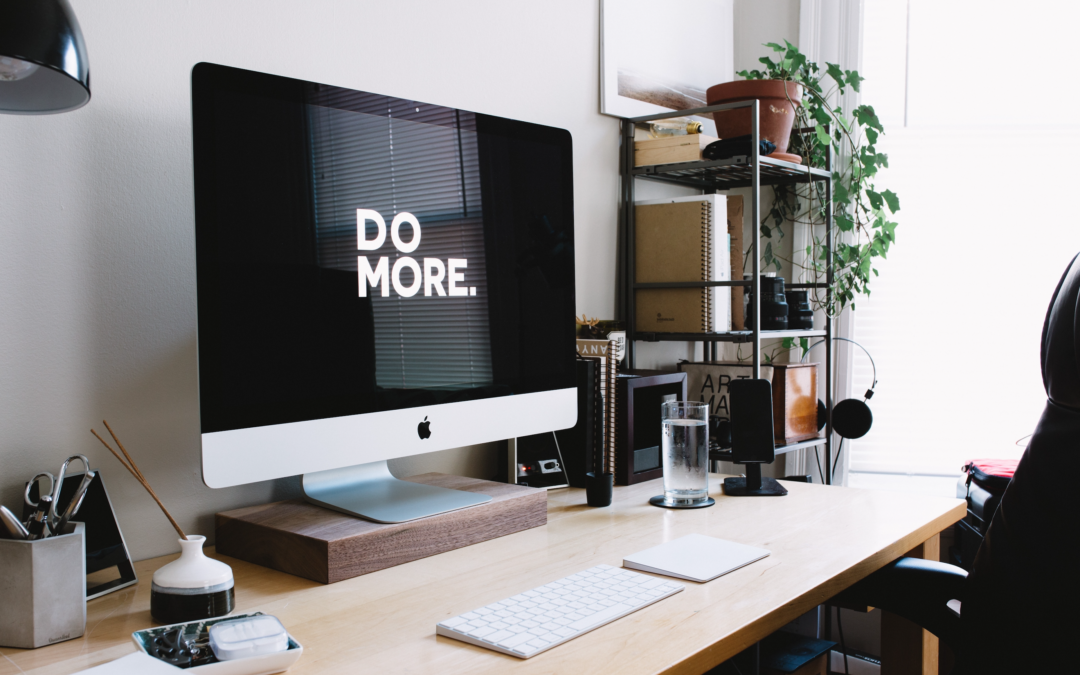
Physicians typically spend hundreds of hours preparing for their specialty boards. Having a study space at home that is welcoming and functional can make board preparation more productive and less stressful. This post offers several ideas for creating a study space that motivates and inspires you to do your best. Experiment with these ideas to find the combination that works for you.
Optimize Your Study Environment
Have a dedicated place to study
Creating a designated, distraction-free zone is critical to a productive study environment. Whether it is a bedroom, a closet, or another location in your home, prepare a workspace with everything you need:
a desk or table,
high-speed Wi-Fi with fast downloading capacity,
adequate task lighting,
a chair with ergonomic support at the correct size and height for your body, and
a bookcase or shelves for study material.
Dedicating a specific area to board preparation will train your brain to focus exclusively on studying.
Light up your study space
Prevent eye strain by making sure your learning space has plenty of light. Light influences your well-being and health and positively impacts motivation and performance. If possible, place your desk near a window to let natural light in during study sessions.
For artificial lighting, consider energy-efficient LED bulbs, and position the base of lamp shades at chin level so the light source stays out of your line of sight. Proper lighting helps you feel more awake and better able to focus.
Add plants and scents
A low-maintenance plant, such as a cactus or succulent, adds fresh air and a natural feel that can refresh your eyes and reduce stress. Essential oils such as rosemary, sage, peppermint, and eucalyptus can help increase concentration and support sustained focus during long study sessions.
Protect Your Focus and Your Time
Turn off digital temptations
Your phone is likely the biggest distraction affecting your focus and time management. Set it to silent, place it in a drawer, or move it to another room entirely. Distractions impair attention and interfere with learning. Out of sight is genuinely out of mind.
Stay in the zone with a playlist
Some people prefer to study with lyric-free background music; others like something upbeat to get into the study groove. Whatever your preference, create or select a playlist that keeps you motivated and focused. Classical music works well for most people, though it may make memorizing sequences of facts more difficult. Earbuds, headphones, or an ambient noise machine are all good options.
Use a Pomodoro timer to stay on task
Time management is critical for effective board review. The Pomodoro Technique is a time management method that breaks large study tasks into focused 25-minute sessions, called Pomodoros, followed by a five-minute break. After four Pomodoros, take a longer 20- to 30-minute break.
Schedule your sessions in advance and set an alert as a reminder. Once the timer is running, stay on task. The only reason to stop before it goes off is a genuine emergency.
Maintain proper posture at your computer
Proper posture while using the computer is essential to avoid back, neck, shoulder, or wrist pain. Sitting with correct alignment improves blood flow, supports your body, and helps keep your nerves and blood vessels healthy.
The top of your screen should be level with your eyes. Sit with your feet flat on the floor and your knees at 90-degree angles. Rest your forearms on the desk so you can type without stress on your joints.
Keep Your Body and Space Working for You
Create opportunities for movement
A sit-to-stand workspace encourages changing positions throughout your study session. Alternating between a standing desk and a seated one adds variety and reduces fatigue. You can also mix up your locations: a library, bookstore, coffee shop, or outdoor space can keep things fresh. Keep a yoga mat nearby for stretching during breaks.
Stock up on healthy snacks and beverages
Glucose helps your brain focus. Stock your desk with snacks that sustain energy without a crash: fresh fruit, almonds, dark chocolate, air-popped popcorn, or edamame. For beverages, water is ideal — infuse it with fruit for variety. Hot chocolate has been shown to improve attention, processing speed, and memory. Non-caffeinated options such as turmeric latte, ginger-honey tea, or lemon-ginger tea are also good choices. Avoid sugary fizzy drinks and energy drinks, which cause energy spikes followed by crashes.
Maintain a clean and uncluttered desk
Too much clutter on your desk is distracting. Think of your workspace as valuable real estate and keep it organized. A desk organizer keeps frequently used supplies within reach. Make it a habit to leave your study space clean at the end of every session.
Personalize your space
Create a welcoming environment with colors and décor that appeal to you. Add photos, artwork, and personal touches that make the space yours. Frame a picture of your goal or hang an inspirational poster. Leave room to display your awards and accomplishments — visible reminders of what you have already achieved can be a powerful motivator.
Your Space Sets the Stage for Study
A well-designed study space will not replace a solid study plan, but it removes friction from every session and signals to your brain that it is time to work. The small investments you make in your environment now will pay off across the hundreds of hours ahead.
Your board results just arrived, and they were not what you needed. You are disappointed, frustrated, and probably wondering what comes next. That is a reasonable response to a hard outcome — but it does not have to be the end of the story.
Failing to pass specialty boards is disappointing, demoralizing, and personally and professionally devastating. For many physicians, it means vacations cut short, less time with family and friends, and thousands of dollars spent on the application and review materials. The deepest frustration is often the feeling of remaining an outsider in your own specialty.
But you are not alone. Each year, thousands of physicians across all medical specialties do not pass their board exams. And most of them go on to pass.
As you reflect on your board preparation experience, consider two things honestly: the resources you used — a comprehensive, current review book and online question banks that model your board questions — and your study methods, including your study schedule, learning strategies, number of questions completed, and time spent studying. Both are worth examining carefully before your retake.
One option worth knowing about: while many physicians believe that attending a review course is the best way to prepare, research has not shown that review courses significantly increase test scores for most individuals. A more effective option is working with an academic coach: someone who provides professional, personalized support and holds you accountable throughout the process.
Before you decide on your next step, here are seven things to consider.
1. Take a Mini-Break
Press pause. Do not beat yourself up. Give yourself a few days or a week or two to decompress: work out, catch up on tasks you set aside while studying, and clear your head. You need a fresh perspective before you can build an effective plan. Avoid making major decisions about your retake until you have had time to gain some distance from the result.
2. Review Your Board Results in Detail
Identify the topics where you scored below the median of passing candidates. If you have failed previously, compare your results across content domains from both attempts.
Then, pull up the exam blueprint and pay special attention to topics that represent 7% or more of the exam. Focus your preparation on these high-yield areas, even if you passed them last time. Study the highest-yield topics earlier rather than later. Do not invest significant time in topics that represent less than 5% of the exam — they can take a long time to master and will not move your score as much.
3. Create a Timeline and Study Schedule
Ideally, begin studying at least one year before you retake your exam. Work backward from the exam date. Divide the topics you need to review by the number of months available and assign them accordingly. If a topic counts 15% of the exam, then spend about 15 per cent of your time studying/testing this topic.
Be realistic about how much time you can study each day and when. Schedule study sessions on your calendar with reminders. Build in free time, exercise, and vacation. Sustainable preparation requires recovery. Plan for two to four weeks of full-time study immediately before the exam, and protect that window from the start.
Find a system that keeps you accountable: set deadlines, create rewards, and track your progress.
4. Take Another Look at Your Study Resources
Ask yourself what helped the most and what helped the least. Did you rotate between multiple online question banks periodically? Did those questions match the level and format of the actual exam?
Stick to one strong primary review book and know it thoroughly. Do not try to work through too many resources. If you are retaking, aim to review your primary study materials at least four to five times using active methods, not passive re-reading.
5. Reflect on Your Study Methods
Did you use a multimodal approach to reinforce the material in several ways? Active engagement with the content is what produces retention: completing multiple-choice questions, watching key videos, writing and reviewing notes, creating flashcards, listening to audio during your commute, reciting material from memory, and comparing patient cases with what you are studying.
Add at least three to four timed practice tests (ideally, on a monthly basis) of 300 to 350 questions to your schedule to monitor your progress. Time yourself consistently. Once your scores reach your target, do at least 15-25 questions on two topics (one high-yield topic and another low-yield topic) daily to maintain momentum. To retain material, devote regular time to recalling what you have studied — not just reviewing it.
6. Sharpen Your Test-Taking Skills
Approach each question consistently. Read carefully and determine exactly what is being asked. Rephrase the question in your own words, then ask yourself what you already know about the topic before looking at the answer choices. Review each option carefully.
If you plan to focus primarily on questions, aim to complete at least 2,500 practice questions before exam day. For every question you get wrong or do not fully understand, review the explanation and the underlying material until you do. Revisit studied material at least six hours after your initial review, and ideally after a full night’s sleep.
7. Create an Effective Study Environment
Where you study matters as much as how you study. Remove clutter. Organize your board preparation resources in one place, ideally a bookcase or dedicated shelf. Set up a good desk, a comfortable chair, and adequate lighting. Personalize the space with photos or motivational quotes that keep you focused on your goal.
If you are easily distracted at home, consider a study cubicle or private room at your local library. For flexibility, keep a travel bag stocked with your essentials — laptop, primary review book, pens, highlighters, and a three-ring notebook tabbed by content area — so you can study wherever time opens up.
A Word on Perspective
Failing medical boards will not materially hurt your career. As Dr. Jack Krasuski, a psychiatrist, notes: “The silver lining is that you are more than passing or failing an exam. Physicians are all high performers. Most have no history of failure, and when they fail a board exam, it can undermine their self-concept.” His video, “What to Do If You Fail Your Board Exam,” is worth watching as you regroup.
Sometimes a setback forces a more honest look at how you have been studying and that examination leads to better habits, a stronger score, and a clearer sense of how you learn best.
Start With a Solid Foundation
If you are short on time and need to be as efficient as possible — and most physicians are — Dr. Linda Carr’s free study guide is a good place to start. It covers 71 evidence-based tips for passing your boards, with specific strategies for making your study time more focused and effective.
Medicine is embracing AI in a wide-ranging way, with applications that touch nearly every aspect of healthcare.
Here are some of the key areas where AI is making a difference:
improved diagnoses,
drug development,
personalized treatment,
and remote patient care.
In practical terms, a doctor using an AI assistant can analyze a patient’s medical history, identify potential risks, and suggest treatment options. The doctor can then use this information to make a more informed diagnosis.
Benefits of AI
Artificial intelligence (AI) is making computers good at things that usually require human intelligence.
Here’s a breakdown:
Learning and problem-solving
AI systems can analyze data, identify patterns, and use that knowledge to tackle new problems. For example, an AI system analyzing medical scans might be able to detect abnormalities with higher accuracy than a human radiologist.
Automation
AI can automate tasks that are repetitive or require processing large amounts of information. Think of chatbots answering customer service questions or recommendation algorithms suggesting products you might like.
Decision-making
AI can be trained to make decisions based on complex data sets. For instance, an AI system might be used to assess loan applications or predict fraud risk.
The Role of AI in Board Exam Preparation
AI isn’t about robots taking over the world. It’s about using computer power to enhance human capabilities in various fields.
Here are a few examples of the ways AI can assist physicians during board preparation:
Knowledge Access and Organization
• Search and summarize: AI can quickly trawl through vast amounts of medical literature and educational resources to find relevant information on specific topics or answer focused questions.
• Compile study guides: Tell AI the specific board you’re studying for, and it can help compile a study guide by summarizing key concepts, highlighting high-yield topics, and providing links to credible sources.
Practice and Assessment
• Generate practice questions: AI can create multiple-choice, short-answer, and case-based questions similar to those found on board exams. It can tailor the difficulty level to your needs.
• Provide explanations: After answering practice questions, AI can explain the correct answers and the reasoning behind them, highlighting common mistakes to avoid.
• Identify knowledge gaps: By analyzing your performance on practice questions, AI can pinpoint areas where you might need to focus your studying.
Additional Benefits
• Time management: AI can help you create a personalized study schedule that optimizes your time and ensures you cover all the necessary material.
• Stay up-to-date: AI can inform you of recent medical advancements and guideline changes relevant to your board exam.
An AI app that I frequently use is Google Gemini (released on February 8), the new umbrella name for all of Google’s AI tools. Head over to the Gemini website and use the AI there in the typical way you interact with an online chatbot. You’ll be amazed!
The AMA ChangeMedEd initiative and the University of Michigan DATA-MD team have developed a seven-part online learning series that introduces learners to foundational principles in artificial intelligence (AI) and machine learning.
Artificial intelligence is having a major impact on the world, the field of medicine, and medical education. While AI can be a valuable tool for many things, it’s crucial to remember that it cannot replace traditional study methods or guarantee success on the boards. For comprehensive exam preparation, you should utilize a variety of resources.
Looking For Board Preparation Support?
Has preparing for your medical specialty boards left you feeling overwhelmed, frustrated, or alone? Do you feel lost, not knowing how to study to maximize your learning and retention? Have you done everything right and failed your board exams?
I’m Dr. Linda Carr, a medical educator and learning coach, and I provide expert one-to-one coaching for medical specialty boards. I understand the struggles of board prep, and my tutoring can guide you toward becoming board-certified.
But don’t just take my word for it. My coaching program is loved by physicians like you.
“I had failed my pediatrics boards 6 times! I did everything – but what I was missing was Dr. Carr. The year I got her assistance, not only did I pass but my score jumped up 20 points!” PEDIATRICIAN IN CALIFORNIA
Ready to regain your confidence with customized medical board exam preparation?
It is not unusual for medical learners—at all levels of the learning spectrum—to spend all their time studying, mostly reading and testing, without recalling what they learned, resulting in little retention. This is a mistake that you can easily rectify.
Two Ways to Make Reflection a Part of Your Daily Board Preparation Make reflection a regular part of your daily study regimen by making it a habit to reflect on your learning as you study, especially:
(1) At the end of the day, ask yourself: What were the key things I learned? What went well? What challenges did I encounter? How can I improve my study tomorrow?
Take a few minutes to record a voice memo on your smart phone explaining key concepts or answering practice questions (especially ones you struggle with). Then, listen to these recordings while commuting, exercising, or doing other activities—essentially creating your own personalized audio study guide. This process forces you to articulate your knowledge and identify areas that need improvement.
(2)At the end of the week, solidify your learning and boost long-term memory by going beyond a simple skim. Dive deeper by revisiting key learning points, re-examining missed questions,and even those you guessed correctly. Analyze these questions to identify areas for improvement and solidify understanding. Most importantly, actively seek connections between the different topics you covered throughout the week. This process of weaving knowledge together strengthens your grasp of the material and unlocks its broader applications. Make this reflection and consolidation activity a consistent part of your weekly preparation; it’s an investment that will pay off in the long run!
Why Reflection Aids Learning and Retention Many benefits result from reflection. In truth, reflection encourages a better learning experience because:
(1) it encourages learners to take charge of their learning; reflection invites them to become more engaged in their learning accomplishments and struggles;
(2) it builds stronger connections between learning experiences; reflective learning fosters learning-by-thinking, which can help learners develop critical thinking skills and improve their future performance.
John Dewey, an American philosopher, psychologist, and educational reformer, was a highly influential figure in the field of education, particularly for his emphasis on learning by doing and experiential learning.
Dewey’s quote: “We do not learn from experience. We learn from reflecting on the experience” highlights the importance of reflecting on experiences to gain true learning. Just going through something isn’t enough. We need to take time to analyze, understand, and draw meaning from those experiences to solidify our learning and apply it to future situations.
Dewey believed this reflection was a crucial part of the learning process. By actively thinking about our experiences, we can identify patterns, solve problems, and develop new knowledge. This reflective approach is still a cornerstone of many educational philosophies today.
In his research, Chang (2019) found that reflection-in-learning is necessary for learners to revisit what they have learned for improvement and for in-depth learning. It gives students an opportunity to document their learning journey and provide references and suggestions for future student
Through reflection, learners become accomplished at recognizing that they are learning and building skills continuously” (Helyer, 2015, p. 23).
Make reflection a high priority in your board preparation to encourage a superior learning experience.
“No one is born with skill. It is developed through exercise, repetition, and a blend of learning and reflection that’s both painful and rewarding. And it takes time.”–Twyla Tharp
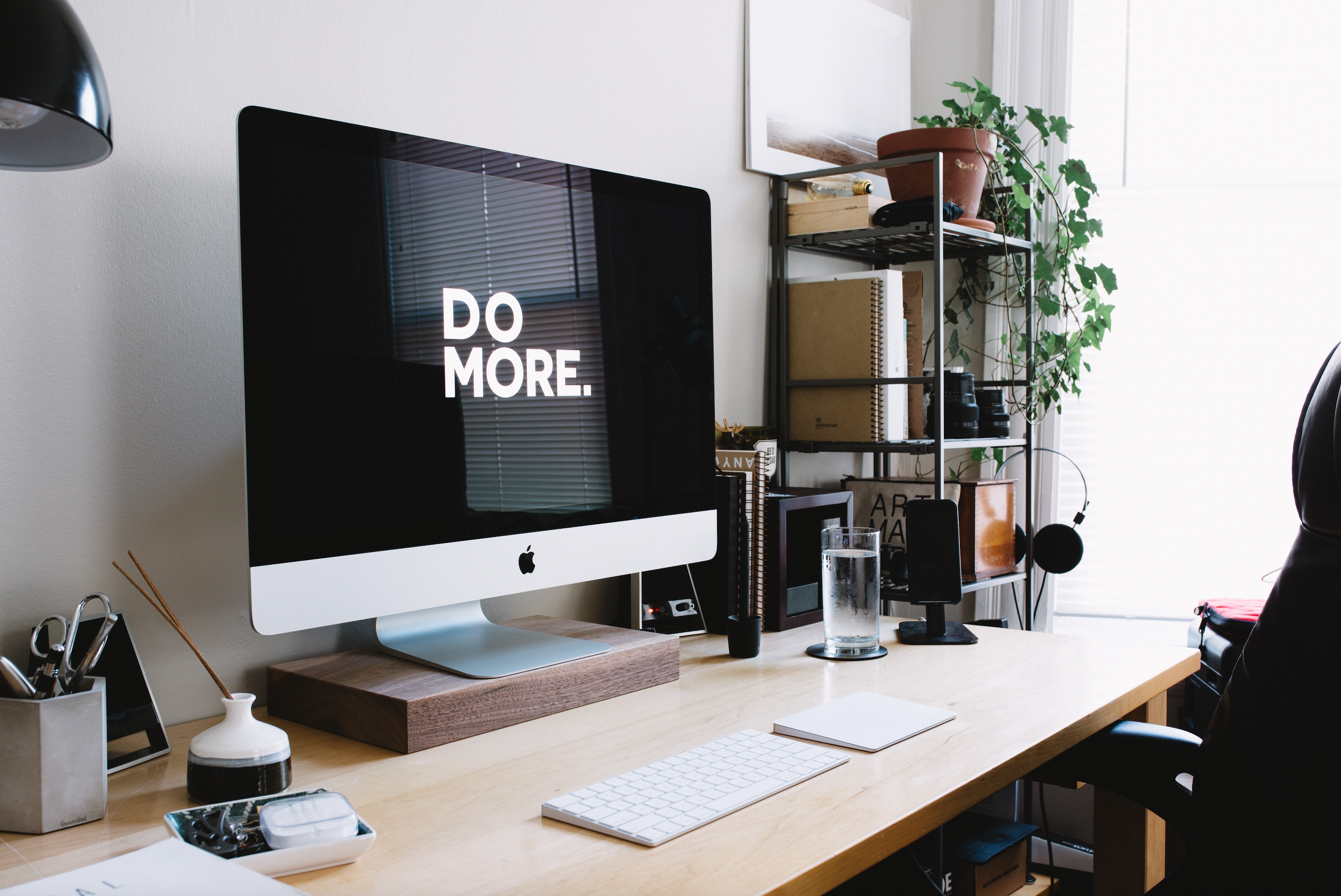
Having a study space at home that is welcoming and functional can make the board preparation more productive and less stressful. This post offers several ideas for creating a study space that motivates and inspires you to do your best. Experiment with these unique ideas to make your study space comfortable and productive.
Have a Dedicated Place to Study
Creating a designated distraction-free zone is critical to a productive study environment. Whether it’s a bedroom, a closet, or another location in your home, prepare a workspace with everything that you need—a desk or table, high-speed Wi-Fi with fast downloading capacity, adequate task lighting, a chair (correct size and height for your body with ergonomic support), and a bookcase or shelves for study material. Dedicating a particular area to your board preparation will train your brain to focus exclusively on studying and not be distracted by other things.
For variety, occasionally study in other locations, such as a library, which often has private study rooms or carrels.
Maintain a Proper Posture at your Computer
Maintaining a proper posture while using the computer is necessary to avoid back pain or pain in your neck, shoulder, or wrist. Sitting with proper alignment improves blood flow, supports your body, and helps keep your nerves and blood vessels healthy. When sitting correctly, the top of your computer screen should be level with your eyes. Ideally, sit so your feet are flat on the floor with your knees at 90-degree angles. Rest your forearms on the top of your desk so you can type without any stress on your joints.
Light Up Your Study Space
Prevent eye strain by ensuring your learning space has plenty of light. Light influences your well-being and health and positively impacts motivation and performance. Place your desk or table near a window for natural light to filter in during study time. Ensure you have adequate lighting for your visual tasks to prevent eye strain. Consider using energy-efficient LED bulbs. Remember that complex visual tasks require higher illumination. On your desk, position the base of lamp shades at chin level so the light source is always out of view. Proper lighting will help you feel more awake and better able to focus.
Add Plants and Scents
Incorporating a low-maintenance plant, such as a cactus or succulent, or other natural elements adds fresh air and a natural feel to refresh your eyes. Plants reduce stress and help create a calming atmosphere. Adding a refreshing scent (e.g., essential oils, such as Rosemary, Sage, Peppermint, and Eucalyptus) can help you increase concentration and get more work done.
Stay in the Zone by Creating a Playlist
Some individuals like to listen to music without lyrics while they study. Others like to listen to upbeat music to get into the study groove. Whatever you prefer, create or select a playlist of lyric-free soft background music to motivate and keep you focused. Classical music is preferred; however, memorizing a sequence of facts may be more difficult. Consider using earbuds or headphones or an ambient noise machine or program.
Create Opportunities for Movement
Create a stand-to-sit space that encourages changing positions and moving throughout your study period. For variety, use a desk for standing and another for sitting. Study in different locations (library, bookstore, coffee shop, or outdoors) to keep things fresh. Keep a yoga mat handy for stretching during study breaks.
Personalize Your Space
Create a welcoming space with your favorite colors and décor that appeal to you. Add personal touches such as photos and artwork. Frame a picture of your goal or add an inspirational poster that motivates you. Leave room for your awards and accolades to remind you of your accomplishments.
Keep Your Study Space Clean and Uncluttered
Too much stuff on your desk can be distracting, so remove unnecessary items from your study space. Consider your workspace as critical real estate—keep it organized and uncluttered. Invest in a desk organizer to keep the necessary supplies you often use within reach. Be consistent about leaving your study space clean and uncluttered.
Turn Off Digital Temptations
When studying, the phone can be the biggest distraction affecting your focus and time management. Set digital devices to silent or turn them off. Better yet, place them in a drawer or in another room to prevent distractions. Distractions can impair attention and interfere with learning.
Energize and Focus Learning with the Pomodoro Timer
Time management and prioritizing are critical for effective board review. Schedule your study time on your smartphone and set an alert to keep you on task. Increase your productivity by breaking up large tasks into easy 25-minute Pomodoros, then take a 5-minute break (every 4, take a 20-30-minute break). Using the Pomodoro Technique helps you stay focused on your immediate task. Remember … you don’t stop working if the timer is active unless it’s a real emergency.
Keep Healthy Snacks and Beverages at Your Desk
Glucose helps your brain focus, so keep these healthy items nearby: snacks (fruit, healthy trail mix ingredients, such as almonds, fruit, dark chocolate, air-popped popcorn, and Edamame) and beverages (water is ideal, or infuse it with fruit; hot chocolate improves attention and processing speed, and memory; non-caffeinated drinks (e.g., turmeric latte, tea with ginger and honey, lemon-ginger tea); avoid sweet fizzy and energy drinks, which are high in sugar).
Don’t let a boring study space hold you back. Use these tips to create the perfect study environment to stay productive and focused on your board preparation.
_______________
Linda L. Carr, Ph.D., Founder/Principal at Coaching for Medical Specialty Boards, is a medical educator and learning specialist who coaches physicians preparing for specialty boards through virtual, one-on-one coaching. Visit www.DrLindaCarr.org to learn more about her program and download her FREE Study Guide.
Successful board passage requires several things: a strategic plan, a schedule, discipline, motivation to stay on task, a comfortable and convenient place to study, and successful learning and test-taking skills. It also requires organizational skills that can increase your productivity.
One place to begin is to organize your study area to set the tone for a successful learning experience. You can start by organizing your office space, computer, smartphone, and resources. Office essentials include a desk, a chair (preferably ergonomic), and a lamp (preferably with cool LEDs). Here are seven tips that can position you for a successful learning adventure.
Clear your desk (and office) of clutter. A desk that is too large can often invite clutter. Organize your desk to facilitate work by keeping only the essential office tools. Optimize under-desk storage whenever you can. Most of us also find it easier to focus when our offices are also clutter-free—do what you can to eliminate (or move to another location) items you’re not using.
Add a timer to your computer menu bar. There are many Apps for timers available, such as the Pomodoro or Vitamin-R. Timers are valuable because they can keep you focused and on track. You can learn about the benefits of using the Pomodoro Technique here.
Add a folder on your computer desktop for important board-related material. The folder might include email correspondence from your professional society sponsoring the board exam and guidelines on what to take/not take with you to the testing center.
Set a time each day for study and schedule it on your digital devices adding an alert feature. It has been said that this is THE most important thing you can do to prepare for boards.
Gather all your board review material (e.g., essential textbooks, review books, medical dictionary, board review lectures/videos) and place it in a bookcase or cabinet in your office.
Create a 3-ring notebook with tabs for board-related information (e.g., the content grid for the board exam, separate tabs for each topic area that contain specific learning issues, notes and other learning aids, and critical resources).
Subscribe to at least two online question banks. If your medical specialty does not have an online question bank, explore other options, like Board Vitals, TRUELEARN, or The PASSMACHINE. Ask your colleagues for advice on what question bank (and other resources) they found most helpful.
Organizing yourself (and your office) is an essential first step in preparing for a successful board review. Now you’re ready to tackle the next important step—starting your board review. Visit my blog for additional tips on preparing for and passing your medical boards.
_____________
Linda L. Carr, Ph.D., Founder/Principal at Coaching for Medical Specialty Boards, is a medical educator and learning specialist who coaches physicians preparing for specialty boards through virtual, one-on-one coaching. Visit www.DrLindaCarr.org to learn more about her program and download her FREE Study Guide.
It’s been said that the average American worker spends seven hours a day on the computer, either in the office or working from home. It’s not unusual for physicians to spend even more time at the computer during their intensive board review.
Several factors may contribute to digital eye strain, such as screen glare, poor lighting, poor posture while using a computer, viewing a computer at the wrong distance and angle, not taking breaks while working, uncorrected vision problems, or combinations of these.
Using a computer for significant periods can cause many users to experience Computer Vision Syndrome (CVS). Symptoms of CVS include visual changes (blurred/double vision), dry or red eyes, eye pain, neck aches, and headaches.
The good news is that there are simple steps you can take to alleviate digital eyestrain:
o FOLLOW THE 20-20-20 RULE … LOOK AWAY: Taking short breaks periodically can reduce eye fatigue. Follow the 20-20-20 Rule: Every 20 minutes, take a 20-second break to view something 20 feet away. This can relax your eye muscles.
o DON’T FORGET TO BLINK: Studies show that close and concentrated work causes you to blink less frequently. Blinking is your eye’s natural way of resting and staying lubricated. Make a conscious effort to blink every 10 to 15 seconds to minimize the likelihood of developing dry eyes and keep your vision sharper.
o PROPERLY POSITION YOUR SCREEN: Your computer screen should be 20 to 26 inches from your eyes. It should be placed just below your line of sight, 10 to 15 degrees below your eyes. This helps to prevent awkward head/neck positioning.
o SCHEDULE SOME BREAKS: Remember, the body is meant to move—so stretch multiple times throughout the day. Be kind to yourself by scheduling breaks to help your mind and body reset. Listen to music, meditate, stretch, or take a short walk to refresh. Set a clock or use a Pomodoro timer to remind yourself to take a break. It would be best if you gave your eyes a break from screens for 15 minutes after every two hours of work.
o CONSIDER ERGONOMICS: Sitting up straight and pulling the belly button toward the lower spine so that the lower abdominal muscles engage is ideal. Practicing good posture takes effort and discipline, but it’s worth it. A straight and upright back nicely aligns the vertebrae in your back. Bad posture (slouching) can harm your physical body (reduced blood flow) and your mental health (depression and anxiety).
o ASSESS AMOUNT OF LIGHT: Too little or too much light coming through windows or bright room light is not ideal. Control natural light by using blinds or shades. Turn off overhead fluorescent lights to create a more desirable ambiance. Position your computer so windows are to the side of it.
Pay attention to your eyes by following these simple steps to care for your eyes during your intensive board preparation.
_______________
Linda L. Carr, Ph.D., Founder/Principal at Coaching for Medical Specialty Boards, is a medical educator and learning specialist who coaches physicians preparing for specialty boards through virtual, one-on-one coaching. Visit www.DrLindaCarr.org to learn more about her program and download her FREE Study Guide.